

Brazil iGaming in Crisis? Why Interest Dropped After Regulation | Expert Reveals All
with Ramiro Atucha, Founder, Atucha Advisory
- EvoVerse

- Blokotech

Credited on the iGaming Real Talk podcast episode. Not advertising on this site.
In episode 45 of iGaming Real Talk, host Surya Palli sits down with Ramiro Atucha, Founder of Atucha Advisory and former CEO of Vibra Gaming and Leander Games, for an exclusive interview recorded at BiS SiGMA South America.
Ramiro shares his expert analysis on the current state of the Brazilian iGaming market.
With more than 20 years of hands-on experience across Latin America, Ramiro discusses how regulation has affected operator interest, the key challenges with licensing and taxation, the continued growth of the unlicensed market, and practical strategies for success in the region.
He also explores alternative opportunities in other Latin American countries and reflects on his remarkable journey building major platforms and now supporting companies through advisory services.
Key Topics Covered
- Has interest in Brazil gone down after regulation?
- Regulatory uncertainty, tax issues, and stability concerns
- Why the unlicensed market remains a major challenge
- Emerging opportunities in Mexico, Chile, Ecuador and other markets
- Insights on market entry, player protection, and industry growth
Key takeaways
- Regulatory Impact in Brazil. Ramiro discusses how the introduction of formal regulation has paradoxically cooled some operator interest due to new complexities and compliance requirements.
- The Unlicensed Market Persistence. Despite the move toward a regulated framework, the unlicensed market continues to pose a significant challenge to the growth and stability of the legal industry.
- Operational Challenges. The episode highlights how tax issues, regulatory uncertainty, and stability concerns are currently complicating the business environment for iGaming operators in Brazil.
- LatAm Market Diversification. Beyond Brazil, Ramiro points toward emerging opportunities in countries like Mexico, Chile, and Ecuador as viable alternatives for operators looking to expand.
- Strategic Market Entry. Success in the Latin American region requires a deep understanding of local dynamics, with a strong focus on player protection and industry sustainability.
Notable quotes
Regulation has created a new set of hurdles that operators must navigate, leading to a shift in how stakeholders view the Brazilian market.
The unlicensed sector remains a persistent roadblock that complicates the transition to a fully regulated and healthy iGaming ecosystem.
About the guest
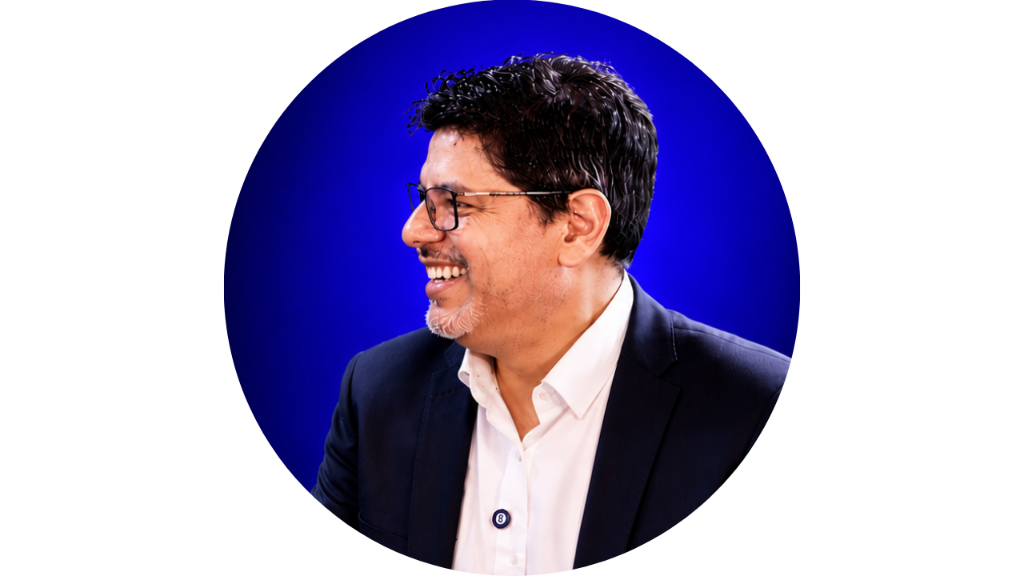
Ramiro Atucha
Founder, Atucha Advisory
Ramiro Atucha is the Founder of Atucha Advisory and a veteran of the iGaming industry with over 20 years of experience in Latin America. Formerly the CEO of Vibra Gaming and Leander Games, he now specializes in guiding companies through market entry and operational strategy across the region.
LinkedIn profileTranscript excerpt
A short passage published by the podcast, not the whole conversation.
Read the excerptHide the excerpt
- Surya Palli
iGaming Real Talk is launching new interview series from BiS SiGMA South America. The event has matured into a perfect melting point for business in Brazil and also Latin American market. In two days, we have had conversations with leaders, experts from mature businesses in LatAm and Brazil, and we talked about the regulation as well as the state of the market in Brazil after regulation. This series is brought to you by EvoVerse.
They offer custom crypto casino source code so that you can launch your crypto casino the way you want it, and you can have full control over your margins and the product. This series is also brought to you by Blockotech, which is your go-to platform provider for LatAm market. The Blocko Padel Tour sponsored by SiGMA also brings together global iGaming community with sport, fun, and competition across some of the events. Hello and welcome back to iGaming Real Talk.
I'm here in São Paulo, SiGMA Brazil, and we have Ramiro here from Atucha Advisory. Did I say that correctly?
- Ramiro
Yeah, it's correct. Exactly. I'm very happy to be here. I really like your podcast. I saw a few where you interviewed a few friends of mine. So, congratulations. I mean, great, great information, great conversations always.
- Surya Palli
Thank you. Thank you for mentioning because all we try to do is to bring the real conversation to the community out there as well as bring insights from the expo floor, you know, because what happens on the expo floor, especially with Brazil being regulated, the way we are seeing how things have been evolving, it's amazing. So, with someone like you who has been in the space for a decade or more...
- Ramiro
Yeah, more than 20 years, yes.
- Surya Palli
More than two decades in the Latin markets, it's amazing to have you here because this is exactly what we would like to share with our audience as well. So, the first question on my mind, like maybe a lot of audience as well, has the interest in Brazil gone down after regulation?
- Ramiro
Yes. Short answer, yes. Hopefully, it's a short-time situation. I think that we all expected a strong M&A frenzy after the regulation. That didn't happen for various reasons. I think that most of the operators in Brazil were a bit unreasonable with their valuations.
- Surya Palli
Okay.
- Ramiro
And they were factoring, you know, the size of Brazil, the potential capacity, while American and European investors look at the real EBITDA, you know, some short-term projection, but they will not pay for what's expected the market to grow. That's on one end.
And of course, I mean, the government continuously changing the rules, threatening to change them even more, even President Lula talking about canceling the licenses less than 3 years after, you know, operators paid a huge amount of money, doesn't help.
- Surya Palli
Yeah.
- Ramiro
That hasn't helped. But what I also say is I appreciate, I mean all these elements make it difficult. Still, I'm one of the first ones to say entering early has its benefits. So in my opinion international operators, international investors, in my opinion, they are missing to work strongly on finding the right way to enter, the right terms, and considering the risks attached.
- Surya Palli
We'll get into that slightly in a bit. But I'm also curious about your story. You've been in the LatAm space and in iGaming for almost two decades as we just mentioned. So what's your story basically? What brought you to founding your advisory as well?
- Ramiro
Well, you know, I co-founded a company called Leander Games in 2007.
- Surya Palli
I heard about it.
- Ramiro
Leander, we made quite a splash. And back then you only had two aggregators, GTS from Playtech and Quickfire by Microgaming. In my opinion that represented a strong conflict of interest because I mean how can they distribute content from a small game studio if they have their huge game library? You know, and we were struggling distributing via them back then.
So we thought it was obvious to create our own RGS which was quite probably the first one to be created independently, it was 2009.
- Surya Palli
Wow.
- Ramiro
So 2009 we created that.
- Surya Palli
We only hear about RGS like recently. RGS providers maybe in a couple of years back but 2009 is a long time.
- Ramiro
We were 50 guys from Argentina. Back then we created our RGS and also our competitors started to approach us asking if they could hop on our RGS and we said yeah, the more the merrier. You know, we have big operators considering integrating with us just with our content. Imagine if we have some other people. So just by chance we ended up becoming an aggregator. And back then you entered each operator, they had the same content.
- Surya Palli
Yeah.
- Ramiro
We started integrating PartyPoker, Betfair, Betsson. And then we had the big milestone, PokerStars did an RFP. PokerStars decided to enter the casino market, and they wanted a partner. They invited about 12 companies to that RFP. We were very surprised to have been invited to that RFP. Even more surprised to have won the RFP. So, we became PokerStars platform. Amazing back then. So, that was a big splash back then. That was 2012, 2014 we went live with them.
And it was an amazing journey. Back then, we were an independent aggregator in the industry. 2019, I left the company.
- Surya Palli
Okay.
- Ramiro
I felt that we had to be a lot more aggressive than we were back then. And I was feeling very anxious about that. And I felt also that we needed to focus on a niche market.
- Surya Palli
Mhm.
- Ramiro
So, I co-founded Vibra or Vibra Gaming.
- Surya Palli
Which as well I'm aware of it. Yeah, I remember the logo as well. It has this kind of shape.
- Ramiro
Yeah, yeah. I was looking for a word that had the same meaning or a positive meaning in English, Spanish, and Portuguese. So, Vibra was good vibrations.
- Surya Palli
Wow.
- Ramiro
And the logo is a derivation of the algorithm of vibration.
- Surya Palli
Yeah, yeah. This is what caught my attention. I know this brand maybe a few years now already. It's all about the story.
- Ramiro
And what happens, and that's interesting, you know, with Latin America. As Latin Americans, I always say that we have a bit of a self-esteem issue. We always believe that Americans or Europeans are going to be better than us.
- Surya Palli
Ah.
- Ramiro
You see? Yes, you see?
- Surya Palli
Kind of. It's the same with us Indians.
- Ramiro
Yeah, but I mean, come on. Unless, you know, your neighbor succeeded in the US and Europe.
- Surya Palli
Yeah.
- Ramiro
And because of the PokerStars situation, we kind of claimed that position with Vibra. We were the guys that had been in Europe, US, competing with the big ones and having some success there.
- Surya Palli
That's good.
- Ramiro
Coming back to Latin America to kind of lead the way in the regulation process. With Vibra, we created a sportsbook casino platform.
- Surya Palli
Absolutely. It was very big. It was in all the shows in most of the shows I remember. Yeah. Because I used to work at SiGMA and, you know, when you work at events company, you kind of know the players, the B2B players in the industry. It came up a lot. When we spoke about LatAm, Vibra came up a lot.
- Ramiro
That was Vibra. I left Vibra about 7-8 months ago.
- Surya Palli
Okay.
- Ramiro
And for a while I have been feeling the need of helping other companies grow.
- Surya Palli
Okay. More like operators, suppliers?
- Ramiro
I wish operators because I always like the new thing, but to be honest, my experience is more with B2B. And I probably have more value with B2Bs, but if any operator wants to call me for help, very happy to make a learning curve. Or help with connections, you know.
- Surya Palli
Yeah.
- Ramiro
But I mean, one of the things that I found difficult during that time as a CEO, you end up having to do 80% of your time, you're not doing what you do the best. No. And what I do best is relationship, strategy, product, marketing. People issues, right?
- Surya Palli
Yeah, exactly.
- Ramiro
And now what I'm doing is only that. I mean, that's why I started the advisory to help companies. There's a big cultural gap.
- Surya Palli
So, you can be more independent, but also do what you enjoy, which is the strategic work, helping the clients grow, rather than having the people issues.
- Ramiro
Yeah, running a company, running day-to-day business, you know. It's interesting to have done that. But now I really enjoy being able to support the people that are doing it instead of doing it myself, you know?
- Surya Palli
Fantastic. Okay. Coming back to Brazil, you mentioned about the laws and taxes. We know that they have become very strict as well. So, what's the situation right now? The real situation. What are the biggest opportunities as well as headaches when we're looking at the taxes and licensing rules in Brazil?
- Ramiro
I think that the biggest headache is, you know, the regulator themselves.
- Surya Palli
Yeah, I mean, not being able to count with a solid status...
- Ramiro
Yeah. So, certainty. You know, having rules of the game that are stable and that, you know, you can count on. That's the biggest challenge. Another big challenge is the size of the unregulated market. It's too big.
- Surya Palli
You think it's still too big?
- Ramiro
Yeah, it's very big everywhere. And if you look at...
- Surya Palli
I heard in one of the other podcasts recently that thousands of sites were blocked.
- Ramiro
Yeah, but I mean, how long does it take them to come up with a new URL? The real way to compete and regulate is to give the regulated operators an edge, a tool to be competitive. And if you are limiting the amount of content that the regulated operators have, then why would the players play with you? But you see that happening everywhere. What's happening now in the UK?
- Surya Palli
Oh, yeah.
- Ramiro
What's going to happen with those players?
- Surya Palli
Yeah.
- Ramiro
They're going to stop gambling? No. They're going to pay more taxes? They are going to have less or no, they're going to go to unregulated. So, you're going to see and you're already beginning to see a huge growth of unregulated gambling in the UK. Same thing happened in Germany. Same thing happened in France.
- Surya Palli
Netherlands.
- Ramiro
Netherlands. I mean, so if that's happening there, imagine Brazil. Imagine Argentina.
- Surya Palli
But why, Ramiro? Why do you think regulators do this? Are they aware? Are they conscious? Or is this a matter of they don't care kind of?
- Ramiro
Politics and populism. It is good press to hit the casinos. Even though you're hitting them for the same reasons that they prevent. Because if you're against, you know, underage playing, if you are against, you know, people betting more than they should, then the solution is regulated casinos. Not eliminating regulated casinos. Lula was talking about eliminating the regulated casinos.
- Surya Palli
All those players are going to go to unregulated.
- Ramiro
Yeah. Also, recently I've seen in the news that he was speaking negatively about the industry in one of the recent festivals as well. A politician at that level speaking negative about an industry will change people's perception of how they look at the industry. I mean, he was on national television on Women's Day and he ended up talking about banning gambling. You cannot ban gambling. You can ban regulated gambling. And send everyone to unregulated. Is that what you want?
- Surya Palli
It's even more dangerous because the players are not protected.
- Ramiro
They are not protected. There's no tax collected. There's no, I mean, it doesn't make any sense. And again, you've got a lot of people that invested a lot of money to play by the book. You need to respect those people.
- Surya Palli
Exactly.
- Ramiro
Where do you think we're going from here? Especially when we look at Brazil. Let's imagine operators, their position. Where do they go from here? There are some good conversations and there needs to be, you know, the gambling sector needs to come together. We need to make sure that the people are aware of where the problems are and the benefits that our industry brings in terms of jobs, in terms of taxes, entertainment, you know, sponsorships.
I mean, where would Vegas be without gambling?
- Surya Palli
Yeah.
- Ramiro
And you got the big theaters, the big hotels. It's not just gambling, you know. It's an ecosystem in itself which lifts up the whole economy, hospitality sector.
- Surya Palli
Tourism, tourism. Well taken. Gambling is a great asset to any government, but there needs to be approached with some element of realism, and understand that the real enemy is unregulated. And the solution for that is allowing the regulated operators to compete and to have a fighting chance against that. Well said. I really see and hope that that will be the case. Let's see what will happen in Brazil.
But also because this is happening and this is the real situation on the ground with Brazil, do you think that there are other countries in the region that are gaining more popularity for operators to explore?
- Ramiro
The same thing happens with every market. First they regulate in good conditions, then they start to tighten the noose. I think that what you're seeing operators do is now looking for alternatives that give them a bit of a breather from abusive regulation like prediction markets. Prediction markets are going to give them a bit of a leeway for a period until regulators get around it. So, it's that constant movement, from regulated to unregulated, then that regulates.
You enjoy a certain period, then it gets too difficult again, and then they try to find another breather somewhere else, you know?
- Surya Palli
Well said. Any specific countries you would name where the opportunities are for the operators at the moment?
- Ramiro
Well, the newly regulated ones, or lightly regulated ones like Mexico, like Chile. That's upcoming. Ecuador, that's upcoming. All these areas where it's not forbidden, but there's not a regulation to comply with, you know, it's a gray area. It's a gray area as was Brazil prior to the regulation. I mean, for a long period, you could gamble here online. It wasn't illegal. You could advertise. You could sponsor. But there was not a regulation to be abided by.
- Surya Palli
Yeah. Cool. I mean, what's the plans next for you in terms of your personal advisory, the clients you're helping as well when we look at the next 1 year, 1 and a half year. What are your plans?
- Ramiro
All right. I think I gained a lot of experience on both sides of the desk, you know, the regulated European American side, regulated Latin America. I see a lot of companies that are trying to jump from one place to another or expand into the other place. What I'm trying to do is help those companies navigate new markets entry.
So I'm helping a few companies enter either from Latin America to the rest of the world, from the rest of the world into Latin America, and from outside the industry into the industry.
- Surya Palli
That's a great way to position yourself using the experience, the connections as well as the past successes.
- Ramiro
I'm enjoying that, you know, and I've been through years. I was making the numbers the other day. I've been a CEO for 29 years.
- Surya Palli
Wow.
- Ramiro
So almost my age. Wow. Okay. Yeah. Now I'm old. But that's what happens, I'm used to having full visibility. So the way I approach it is I normally enter as board advisor, give a full look at the company, understand where I can make a difference, and if we're in alignment on what I can do, we put a plan together. I help execute. I'm very hands-on. That's something I'm enjoying a lot.
- Surya Palli
Fantastic, Ramiro. Thank you for joining me and sharing the real situation from the ground here in Brazil. Very happy to meet you as well as have this conversation.
- Ramiro
You know, I really like this podcast, so very proud to have been featured in it.
- Surya Palli
Thank you so much. That's it, guys, for today. That's Ramiro here. Please check him out, follow him on LinkedIn and his work, and also give us a like, subscribe, share your comments, your thoughts in the comments below about where things are going in Brazil as well as LatAm market in general. So, I'll see you on the next interview. Follow iGaming Real Talk.
 1 min
1 minThe Biggest Mistake Companies Make with AI | David Harris and Vlad Bondarenko
David Harris and Vlad Bondarenko · COO & CPO, ReferOn
 1 min
1 minRegulated iGaming Explained: St8's Strategy for UK, Ontario & Alberta | David Fall | St8
David Fall · Business Development Manager, St8
 1 min
1 minAI, Fraud & Affiliate Marketing: What Operators Need to Know | Levon Nikoghosyan | AffPapa
Levon Nikoghosyan · Chief Executive Officer, AffPapa